El-Bsat: From trade exchange to joint projects... and geography must serve the interests of Lebanon and Syria
Beirut – Lebanese-Syrian Investment Forum 2026 Media Office
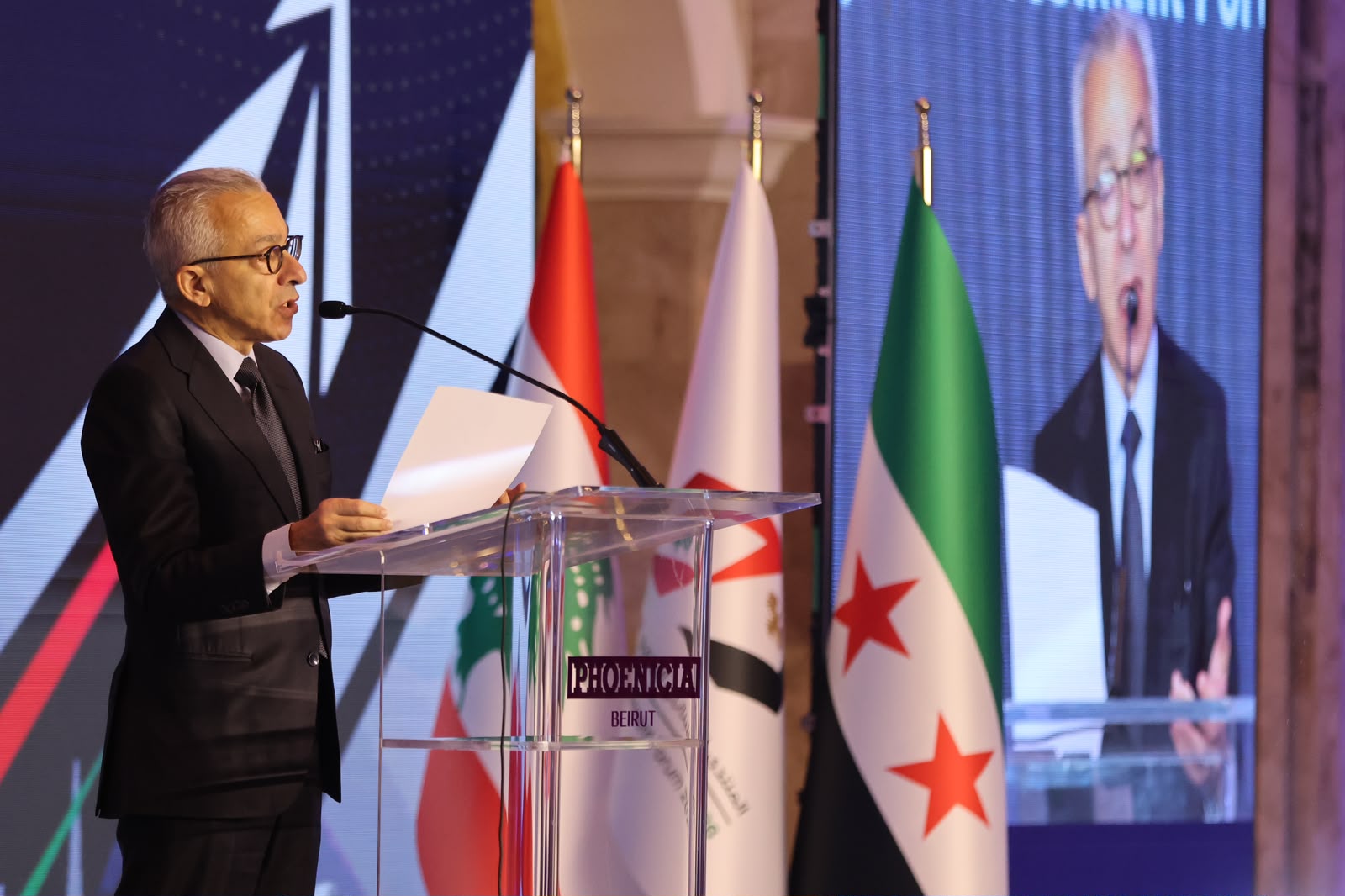
Lebanese Minister of Economy and Trade, Dr. Amer Al-Bsat, affirmed that Lebanon and Syria face an opportunity to establish a new, clearer, and more balanced relationship rooted in respect for sovereignty, good neighborliness, and mutual interests. He emphasized that the upcoming phase must shift economic ties from addressing obstacles to generating opportunities and joint ventures.
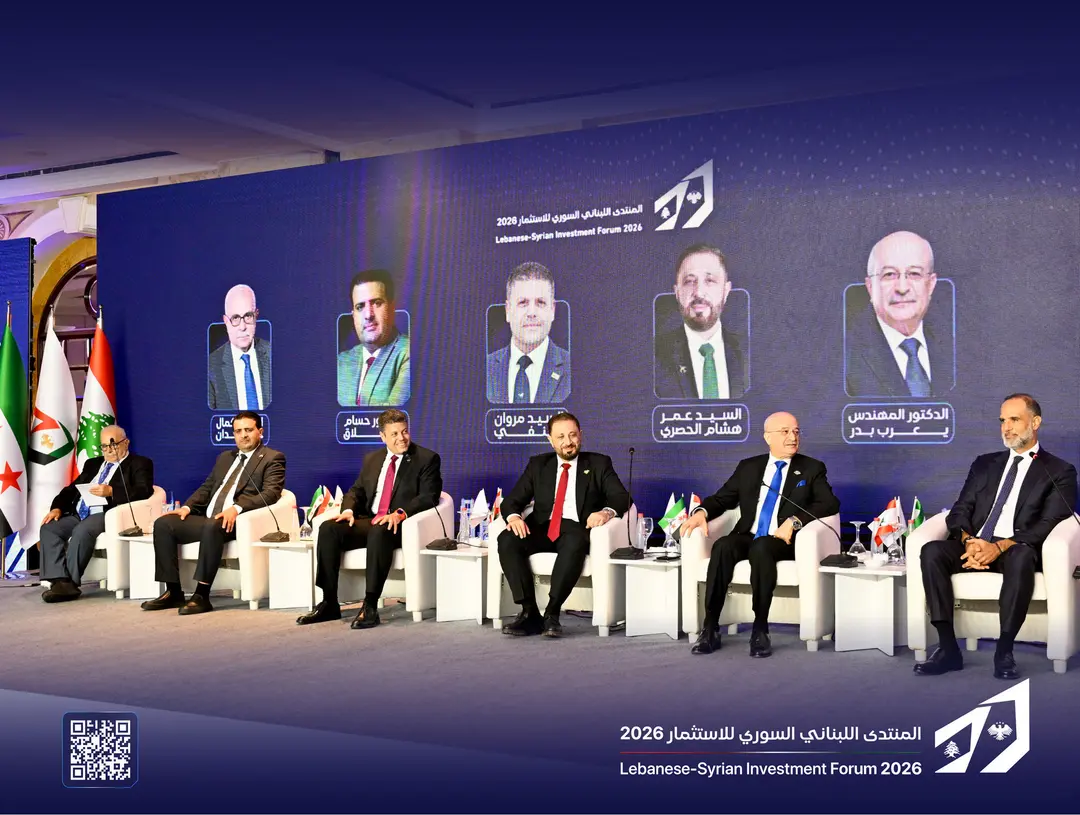
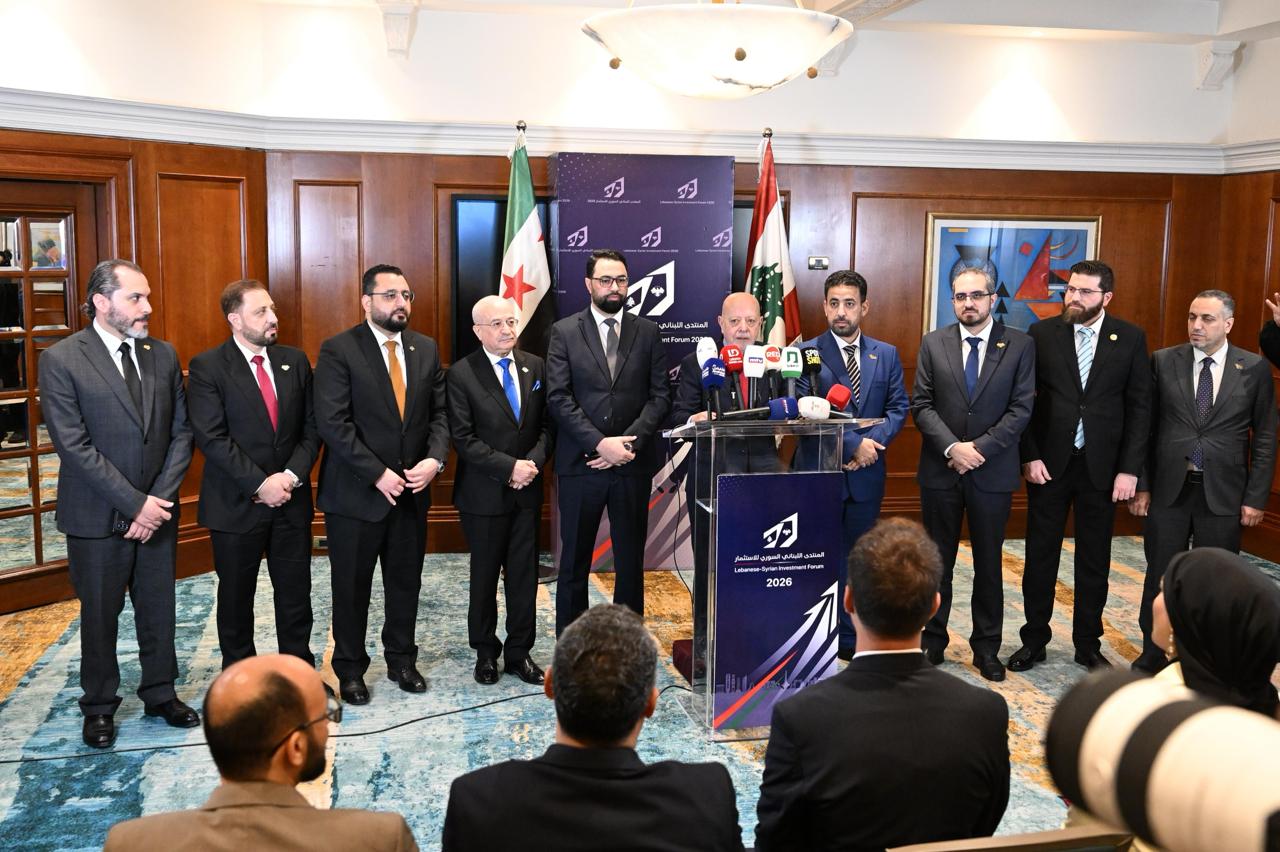
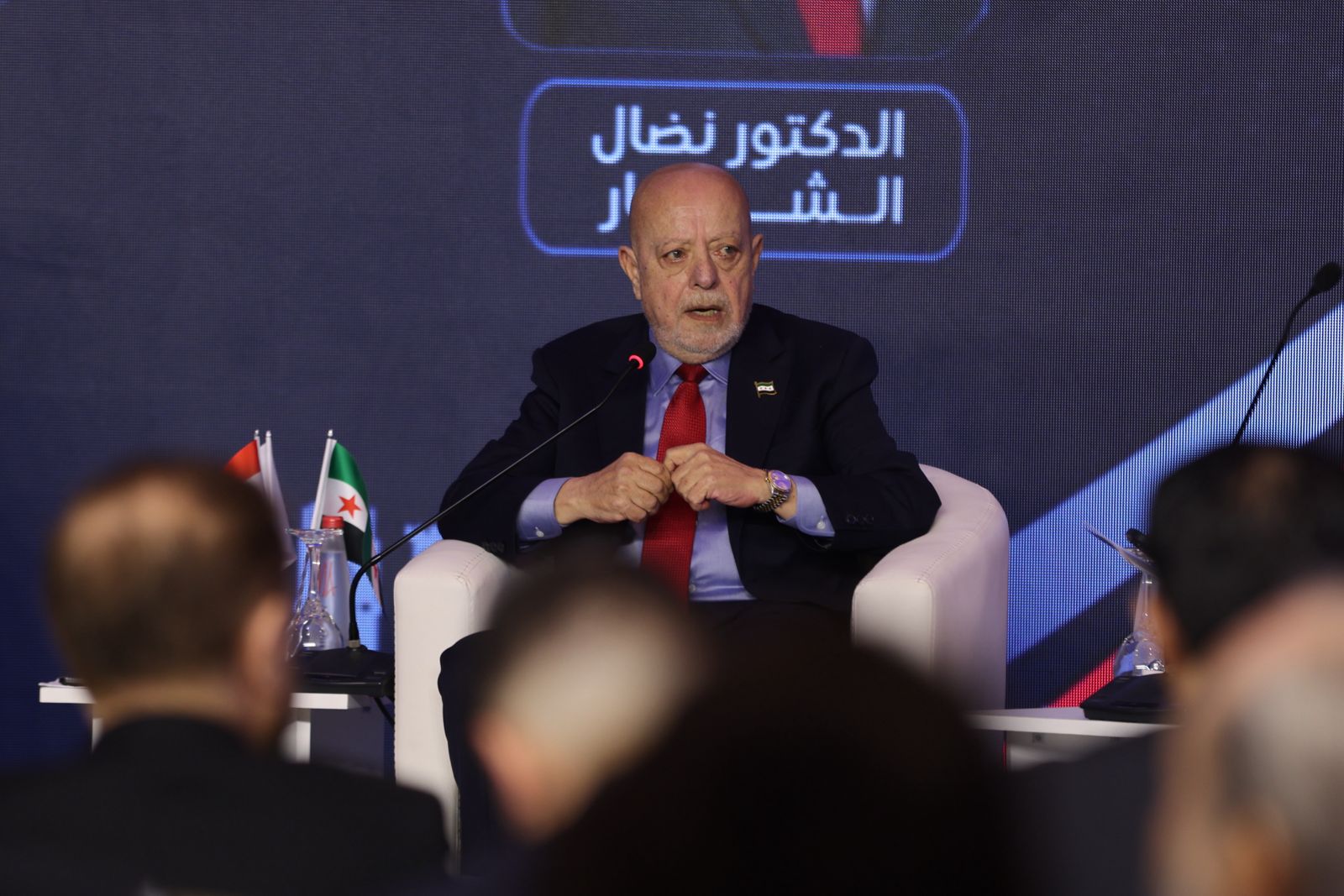
Minister Al-Bsat made these remarks during the opening of the Lebanese-Syrian Investment Forum 2026 in Beirut, where he represented the President of the Lebanese Republic, General Joseph Aoun. He conveyed the President's greetings to the attendees alongside hopes that the forum would mark a step forward toward greater stability, cooperation, and prosperity between both nations.
Al-Bsat underscored that turning a new page in Lebanese-Syrian relations requires tangible substance grounded in effective institutions, clear interests, and outcomes that benefit both peoples. He noted that these revamped ties must be institutionalized, with the private sector serving as a foundational pillar for bilateral economic relations.
He pointed out that ambitions should not be confined to increasing import and export volumes; rather, they should focus on exploring what the Lebanese and Syrians can jointly produce and invest in, as well as how to collectively access regional and global markets. In this context, he highlighted opportunities across industry, agriculture, agri-food, pharmaceuticals, energy, transport, logistics, tourism, technology, and professional services.
Furthermore, he stressed that upgrading ports, roads, transit networks, and infrastructure could grant both countries a more significant footprint in regional trade routes, leveraging Syria’s strategic land bridge alongside Lebanon’s ports, dynamic private sector, expertise, and expansive regional and global diaspora networks.
Addressing the investment climate, Al-Bsat outlined the responsibilities of both governments: dismantling barriers, streamlining procedures, lowering trade costs, providing a clear and stable legal framework, and safeguarding investor rights. In turn, the private sector's role is to identify viable opportunities, forge partnerships, mobilize capital, and create jobs.
He urged the Lebanese private sector to rigorously examine opportunities in Syria and define the guarantees and procedural mechanisms required, reiterating the commitment to address these aspects with the Syrian government through official channels. Likewise, he called on Syria to view Lebanon as a partner in investment, services, expertise, and technology, as well as a gateway to capital, business networks, and foreign markets.
Al-Bsat affirmed that the true benchmark for the success of this new economic trajectory lies in practical outcomes: removing trade barriers, launching projects, accelerating investment inflows, and generating employment. He summarized the forum's overarching vision as moving "from basic trade exchange to shared value chains and joint projects, and from an inherited geographical position to an economic role built together."
In conclusion, he asserted that Syria’s stability and prosperity are a national interest for Lebanon, just as Lebanon’s stability and prosperity serve Syria's vital interests. The strategic imperative, he noted, is to transform the shared geography into a regional platform for production, trade, and investment that seamlessly connects seaports with land transit routes and broader regional markets.